


In today’s ever-evolving financial landscape, leveraging assets for financial gain is an essential skill. A mortgage loan against vacant land is one such opportunity that many individuals overlook. While home equity loans have received much attention, vacant land can also act as a valuable asset when seeking financing, particularly for projects like home construction, business ventures, or debt consolidation. This article delves into the user journey of obtaining a mortgage loan against vacant land, exploring the benefits, process, and critical considerations. Bajaj Finance offers financing solutions that help eligible borrowers leverage their property to meet various financial requirements.
Understanding Mortgage Loan Against Vacant Land
A mortgage loan against vacant land allows property owners to use their unoccupied land as collateral for financing. This financial solution leverages the land’s potential value while providing the borrower with funds that can be used for various purposes, whether it’s building a new home or financing a business initiative. Unlike traditional home loans, a loan against property secured by vacant land can unlock multiple financial opportunities for eligible borrowers.
Benefits of Mortgage Loan Against Vacant Land
1. Access to Capital
One of the primary advantages of a mortgage loan against vacant land is quick access to funds. If you own a piece of land that is not generating income, leveraging it can provide the capital needed to achieve other financial goals without selling the property.
2. Flexible End Use
A loan against property secured by vacant land offers flexibility in fund utilization. Borrowers can use the amount for construction, business expansion, education, medical expenses, debt consolidation, or other eligible personal and business requirements.
3. Potential for Future Growth
Vacant land can become a valuable financial asset over time. By obtaining a mortgage loan against vacant land, owners can unlock liquidity while continuing to retain ownership of the property, allowing them to benefit from potential appreciation in land value.
4. Competitive Financing Option
Depending on lender policies and borrower eligibility, a mortgage loan against vacant land may offer competitive borrowing terms compared to certain unsecured financing options. Since the loan is secured by property, eligible borrowers may qualify for higher loan amounts.
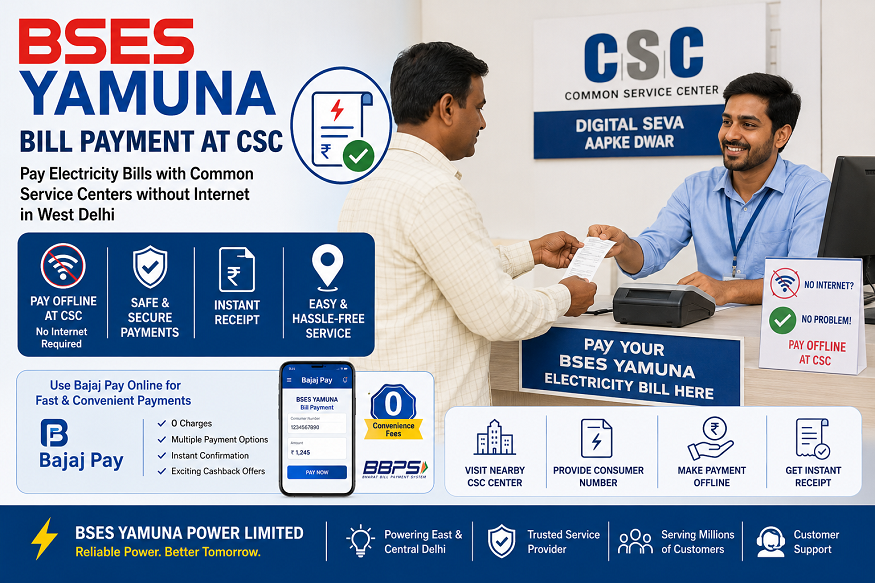
Read More: BSES Yamuna Bill Payment at CSC: Pay Electricity Bills Offline in West Delhi
User Journey for Securing a Mortgage Loan Against Vacant Land
1. Assess the Land Value
The first step involves determining the market value of the vacant land through a professional valuation or market assessment. Lenders generally sanction a percentage of the property’s assessed value. Knowing the estimated valuation helps borrowers understand their potential borrowing capacity under a mortgage loan against vacant land.
2. Research Suitable Lenders
Not every financial institution provides financing against vacant land. Therefore, borrowers should compare banks, housing finance companies, and financial institutions that offer loan against property products secured by vacant land. Comparing eligibility criteria, interest rates, processing fees, and repayment flexibility helps identify the most suitable lender.
3. Complete the Pre-Qualification Process
Many lenders provide an initial eligibility assessment before the formal application. During this stage, borrowers share details about the land, financial profile, income, employment, and required loan amount. Pre-qualification provides an estimate of possible loan eligibility and expected borrowing terms.
4. Prepare the Required Documents
Proper documentation helps speed up the approval process. Most lenders typically require:
- Title deed of the vacant land
- Property tax records
- Identity and address proof
- Income proof and bank statements
- Employment or business documents
- Details regarding the intended use of funds
Providing complete and accurate documentation improves the chances of faster approval for a mortgage loan against vacant land.
5. Submit the Loan Application
After gathering the necessary documents, borrowers can formally apply for the mortgage loan against vacant land. The lender reviews the application, verifies the property documents, evaluates repayment capacity, and conducts legal and technical assessments before making a lending decision.
Read More: How to Do a Free CIBIL Score Check Online by PAN Number in Under 5 Minutes
6. Loan Approval and Agreement
If approved, the lender issues a sanction letter containing details such as the sanctioned amount, applicable interest rate, repayment tenure, processing fees, and other loan conditions. Borrowers should carefully review all terms before accepting the offer.
7. Loan Disbursement
After completing documentation and executing the loan agreement, the funds are disbursed according to the lender’s policies. Borrowers can then utilize the amount for their intended financial requirements while continuing to own the property pledged as collateral.
8. Repayment Management
The final stage involves timely repayment through Equated Monthly Instalments (EMIs). Maintaining regular repayments not only avoids penalties but also helps preserve a healthy credit profile for future borrowing needs.
Important Considerations Before Applying
Interest Rates
Interest rates for a mortgage loan against vacant land may vary depending on the lender, property type, borrower profile, credit score, and market conditions. Comparing multiple loan offers helps borrowers secure competitive financing.
Property Eligibility
Lenders carefully evaluate the location, legal status, accessibility, and marketability of the land before approving a loan against property. Ensuring that the property has clear ownership documents can simplify the approval process.
Property Valuation
Since vacant land values may fluctuate depending on market demand and development potential, lenders usually conduct detailed technical and legal evaluations before determining the eligible loan amount.
Borrowing Capacity
Although financing is available against vacant land, lenders may sanction only a percentage of the property’s market value. Borrowers should assess their repayment capacity before selecting the loan amount and tenure.
Conclusion
A mortgage loan against vacant land is an effective financing solution for individuals looking to unlock the value of their unused property without selling it. Whether the objective is home construction, business expansion, education, or other financial needs, this type of loan against property provides flexibility and access to substantial funding.
By understanding the complete borrowing journey—from property valuation and lender comparison to documentation, approval, and repayment—borrowers can make informed financial decisions. Evaluating financing options from reputed lenders, including Bajaj Finance, comparing loan terms carefully, and maintaining a strong financial profile can help borrowers secure suitable funding while maximizing the long-term value of their vacant land asset.




Leave a Reply